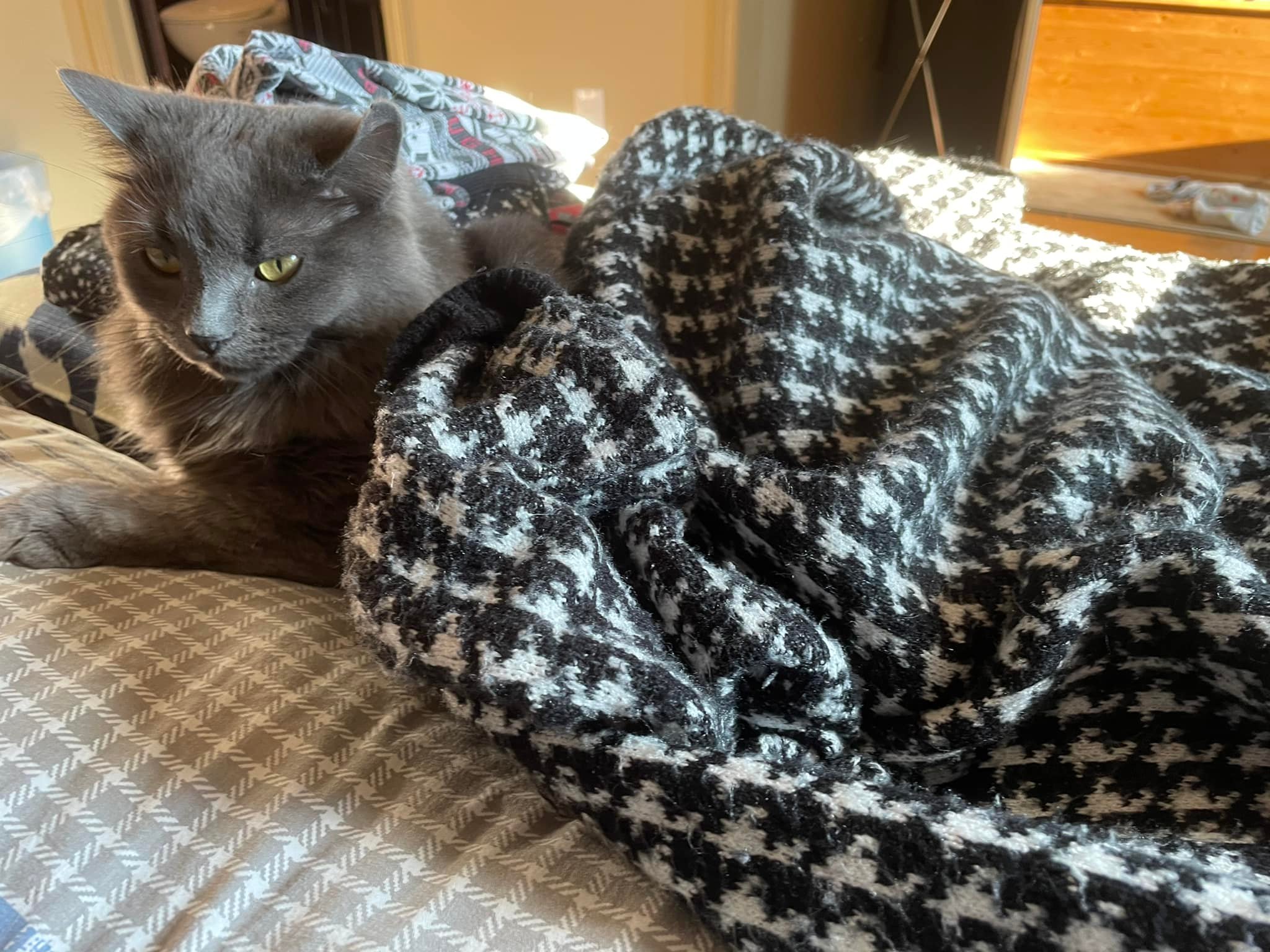
Wednesday, July 13, 2022

Wednesday Morning Links

Miscellaneous material for your mid-week reading.

- SBS News reports on the WHO's warning that not only is the COVID-19 pandemic far from over, but cases are spiking globally. And Mike Lapointe reports on the work of at least some political leaders - notably including NDP MP Don Davies - to push the federal government to both take preventative action to limit spread and address the growing crisis of long COVID. 

- Gabriela Calugay-Castilla writes that the lack of paid sick days forces people to choose between necessities in trying to provide the necessities of life without making themselves and others sick. And Katherine Scott discusses how women continue to bear the brunt of the effects of the pandemic. 

- Doreen Nicoll writes about the need to measure public policy generally based on social health outcomes rather than GDP and profit levels. 

- Isabella O'Malley reports on the revelation of a large hole in the ozone layer over tropical regions of the Earth. Carey Gillam reports on research finding that 80% of Americans tested have detectable levels of the weedkiller glyphosate in their systems. And Tom Perkins explains how EPA tests likely severely underestimate the pollutants found in U.S. water.

- Finally, Liam O'Connor discusses the increasing concentration in ownership of Saskatchewan farms, as the economics of a corporatized sector leave no room for people to operate smaller farms even as a few wealthy people look to farmland as an investment. 

Tuesday, July 12, 2022

Tuesday Night Cat Blogging

Snuggly cats.


Tuesday Morning Links

This and that for your Tuesday reading.

- Yasmine Ghania reports on the wastewater analyses showing that Saskatchewan is facing a new COVID-19 wave. Ed Yong discusses how the BA.5 wave looks to be the first one dominated by reinfections. Elliot Aronson and Carol Tavris highlight the cognitive dissonance which has undercut any reasonable evaluation of risk through an evolving pandemic. And Hannah Kuchler writes that more than a billion vaccine doses may have been wasted since they were developed, with the donation of expiring doses to lower-income countries looming as a major culprit. 

- Meanwhile, Andre Picard writes that Canada's shortage of family doctors won't be fixed with one-time cash incentives.

- James Dyke points out the need to recognize that we're on a trajectory to severely overshoot the 1.5 degree threshold of climate breakdown, and do everything we can to reduce our dirty energy use accordingly. But Helena Horton reports on the abysmal MP turnout for a special UK Parliamentary briefing which was seen by activists and party leaders alike as a profoundly important opportunity to build consensus on climate action. 

- Finally, Mel Buer notes that railroads are just another example of corporate-controlled logistical infrastructure being used to extract windfall profits at the expense of both workers' well-being and consumers' access to needed goods. And Joan Baxter reports on how Northern Pulp and its owners are using creditor protection to avoid meeting their own liabilities while simultaneously litigating to extract hundreds of millions of dollars from Nova Scotia. 

Monday, July 11, 2022

Monday Afternoon Links

Miscellaneous material to start your week.

- Farah Hancock offers an informative look at the circumstances where people are most likely to share air in ways that results in COVID transmission. And Nam Kiwanuka highlights the need for messaging about the ongoing pandemic which is both internally consistent, and paired with action to enable people to protect themselves and others. 

- David Moscrop is optimistic about some gains being made by the labour movement in Canada and the U.S. in both achieving certification, and winning public policy improvements. And Sara Mojtehedzadeh exposes more of Uber's tactics to avoid employment standards and exploit its drivers, even while cynically claiming to be offering them opportunities. 

- Diane Abbott rightly argues that the UK Cons as a whole need to answer for the gross dereliction of duty which has led to Boris Johnson's departure - a point which applies equally to the conservative parties in Canada who believe that shedding a single leader entitles them to a clean slate for decades of disastrous choices.

- Finally, Bill Gillies writes about the need for change from an electoral system which allows minorities of voters to stake a party to absolute power. 

Sunday, July 10, 2022

Sunday Afternoon Links

This and that for your Sunday reading.

- The Economist reports on new research estimating that COVID-19 vaccines saved 20 million lives in their first year of availability - though that reality makes it all the more galling that there's been so little progress both in ensuring greater availability of existing vaccines for lower-income people, and developing new versions to address the flood of variants. Alice Park discusses why it's important to vaccinate the young children whose doses have only recently been approved. And Rick Howe writes that the elimination of any public health measures in the midst of a raging pandemic leaves the inescapable impression that we don't value the lives of immunocompromised people.

- Stephen Wentzel reports on Niki Ashton's push to ensure that the Canada Revenue Agency uses its resources to crack down on tax avoidance by the wealthy, not to add injury to insult for CERB recipients. 

- Sam Pizzigati offers a reminder that obscene wealth is invariably the result of a combination of luck and ruthlessness. And Michael Grabell reports on a stark example of both being torqued to extreme levels, as shipping and transportation magnates are extracting massive windfall profits from their own refusal to cooperate with customers. 

- Qingchen Chao and Wang Yang estimate China' viable renewable energy production at four times the amount of power needed to meet all current global electricity demand. And Simon Evans reports on the latest UK wind power contract which has produced prices a fraction of the cost of fossil fuel gas generation.

- Finally, Umair Haque discusses how the U.S.'s obsession with constant self-reliance and competition leads to ambient stress for everybody.

Saturday, July 09, 2022

Saturday Afternoon Links

Assorted content for your weekend reading.

- Cecelia Smith-Schoenwalder discusses the imminent prospect of a majority of Americans suffering from long COVID as more and more dangerous variants are allowed to run rampant. And Courtney Greenberg reports on a new finding that half of Canada's population was infected over a period of only five months at the start of 2022.

- Marco Chown Oved examines how grocery stores have been hiking prices, and finds it to be a matter of profiteering rather than merely passing along costs. And David Macdonald warns that sharp increases in interest rates are virtually guaranteed to cause a recession while doing little to help curb the inflation most people are facing.

- David Wallace-Wells rightly questions why we accept (and largely ignore) the eight-figure annual death toll from air pollution. And Sonia Furstenau makes the case for a windfall profit tax on the energy giants who are simultaneously gouging customers and overheating our planet.

- Charles Rusnell reports on the UCP's attempt to conceal the concentration of drug poisonings in Edmonton and elsewhere. 

- Finally, Rachel Gilmore examines the deep links between Con MPs and open racists and white supremacists. And Max Fawcett rightly labels the party as a whole as the Convoy Party of Canada.

Friday, July 08, 2022

Musical interlude

Lost Synths - Don't Mind


Friday Morning Links

Assorted content to end your week.

- Benjamin Mazer writes that of all the other public health analogies, COVID-19 may prove most similar to smoking in the systematic failure of governments to take readily-available steps to prevent widespread harm. Beth Mole reports on research showing that COVID was the leading cause of death of Americans aged 45 to 54 in the first three quarters of 2021. And Benjamin Shingler reports on the new wave cresting due to the BA.5 subvariant, while Katie Anthony and Andrea Michelson discuss the danger of repeated infections at short intervals. 

- Meanwhile, Zak Vescera reports on the glaring gap between the messaging conveyed to the public about Saskatchewan's public health measures in 2021, and the recognition by Dr. Shahab and others that it was grossly insufficient. And Patrick Collison writes that the prospect of universal COVID vaccines is running into a lack of interest in developing new versions which could be more easily administered and more effective against variants.  

- Carolyn Ferns discusses how Ontario's private child care operators have proven they can't be trusted with the task of building an effective system for families. Tom Conway highlights how unions are having to take the lead in pushing for safety in all kinds of workplaces. And Christine Saulnier points out the continued need for paid sick days for the sake of everybody's health. 

- Damian Carrington reports on new research showing that investment in plant-based proteins is the most effective use of carbon mitigation funding. And Geoff Dembicki discusses how the oil industry's history of deception includes pushing carbon capture and storage which it has known for decades to be ineffective. 

- Finally, Shane Wright discusses how Australia's Labour government is ensuring that its budget is assessed based on public well-being, not merely on GDP or profits. 

Wednesday, July 06, 2022

Wednesday Morning Links

Miscellaneous material for your mid-week reading.

- Chas Danner writes about the arrival of the BA.5 COVID-19 surge in the U.S. Nora Loreto writes about the thousands of Canadians who died of COVID acquired in hospitals - and the many people who continue to get sick from it. Kenyon Wallace and Megan Ogilvie report on new research showing the disproportionate concentration of COVID deaths among lower-income Ontarians. And Sophie Mellor reports on the belated recognition by federal Health Minister Jean-Yves Duclos that it's impossible to stay fully immunized against COVID without regular boosters - even as doctors in both Ontario and Saskatchewan are desperately trying to prod negligent provincial governments to lift a finger to make additional vaccination doses available to people who need them. 

- Meanwhile, the National Institute of Neurological Disorders and Stroke discusses research showing how the body's immune response to COVID may damage the brain. And Aron Emmi et al. find an immune response to COVID which extends to the brain stem. 

- Robert Reich calls out the attempt by Jeff Bezos and other corporate tycoons to use inflation as a pretense to redistribute the product of price increases away from workers. And David Milstead reports that CEOs took massive pay increases in 2021 without anybody complaining about any impact on prices. 

- Meanwhile, David Moscrop rightly points out that the inflation excuse is merely the latest example of how a capitalist system is designed to extract wealth from the working class to benefit the privileged few. And Stephanie Brobbey offers some suggestions for change from the perspective of somebody who has been employed enabling the wealthy to abuse the current system. 

- Finally, George Monbiot writes that we may be reaching the conclusion of the contest between democracy and plutocracy, with our future as a species hanging in the balance. And Umair Haque discusses how the U.S. is in the final stages of a collapse. 

Tuesday, July 05, 2022

Tuesday Night Cat Blogging

Cats at home.


Tuesday Morning Links

This and that for your Tuesday reading.

- Eric Topol discusses the ominous rise of the Omicron BA.5 COVID-19 subvariant. Katelyn Thomas reports that Quebec has joined the jurisdictions demanding that people manage their own risk while depriving them of the information needed to properly evaluate it. Nick Natale, John Lukens and William Petri Jr. review the effects of COVID on the nervous system. Andre Picard writes about the imminent rollout of another round of vaccines. And for those inclined to pretend there's nothing that can be done to stop the spread, Shane Landry et al. find that the combination of fit-tested N95 masks and air filtration is sufficient to protect even against high viral loads over prolonged periods at close range. 

- Sharon Eubanks writes that oil and gas giants can rightly expect to face the same fate as tobacco companies in having to make reparations for their prolonged dishonesty and harm to the public, while Camilla Hodgson reports on litigation in Peru which is leading the way. And Kate Ravilious highlights how the effect of methane in contributing to climate breakdown is even worse than previously anticipated. 

- Owen Jones discusses how the sudden and vicious attacks on LGBTQ rights in the name of a violent patriarchy represent a threat to women as well. 

- Finally, James Hutt reports from the Labor Notes conference, including a surge in organizing which offers hope for the future of organized labour and workers generally. 

Monday, July 04, 2022

Monday Afternoon Links

Miscellaneous material to start your week.

- Andrew Nikiforuk writes that the decision to stop doing anything to limit the spread of COVID-19 is opening the door for a forever plague. Olivia Bowden and Kenyon Wallace report on the start of a summer COVID-19 wave in Ontario, while Cindy Harnett discusses how one is also cresting in British Columbia. And Erin Prater examines the groups of people (covering a large proportion of the population) who are most likely to be vulnerable to long COVID, while Megan Leonhardt reports on the failure of far too many employers to support workers who suffer from it. 

- Fawziah Rabiah-Mohammed, Abe Oudshoorn, Cindy Brown and Luc Theriault discuss the need for Canada to build more housing for immigrants and migrants. And Holly Funk writes that Saskatchewan's minimum wage continues to fall far short of what people need to live. 

- Lori Fox discusses British Columbia's climate refugees pushed out of their homes by unprecedented fires and smoke. And Thomson Reuters reports that glaciers are becoming increasingly unstable as our planet keeps overheating. 

- Finally, Dayne Patterson reports on the revelation that the RCMP spied on advocates for Medicare. And Dennis Gruending rightly treats that as an example of Canada's police state being used to push the wrong side of history. 


Sunday, July 03, 2022

Sunday Afternoon Links

This and that for your Sunday reading.

- Jim Stanford laments the likelihood that we're headed for a self-inflicted recession in the name of an arbitrary inflation target. 

- Acey Rowe talks to about the Craig Desson about the mechanisms used to perpetuate old wealth. And Rupert Neate writes about Gary Stevenson's story as someone who made large amounts of money in financial trading - but only through intolerable betting on needless suffering and growing inequality.

- Meanwhile, Mitchell Thompson calls out the Canada Infrastructure Bank's demand to turn essential public water supplies into sources of profits and management fees. 

- Ayurella Horn-Muller reports on some of the global responses to SCOTUS' decision to condemn humanity to a climate breakdown. And the Council of Canadians has released new Abacus polling data showing that Canadians recognize the need for strong climate action even when weighed against immediate economic interests.

- The Ottawa Citizen's editorial board weighs in on the need to combat intimate-partner violence.

- Finally, Umair Haque writes that we're all too likely to look back on the summer of 2022 as the start of an age of crisis.

Saturday, July 02, 2022

Saturday Morning Links

Assorted content for your weekend reading.

- Danny Altmann discusses how infection with COVID-19 tends to produce weakness and long-term illness rather than immunity, while Tom Livingstone likewise notes that reinfection is worse than previously assumed. Hanna Geissler reports on the warning from experts that we're looking at another new wave in the near future, while Patrick Rail talks to Kashif Pirzada about how the worldwide petri dish resulting from a refusal to stop community transmission is producing newer and more dangerous variants on a regular basis. And Carly Weeks reports on Theresa Tam's recognition that misinformation about the severity of COVID-19 and the ongoing need to try to limit its spread is proving to be deadly.

- Hasan Sheikh and Brandon Doucet make the case to follow through on Tommy Douglas' vision for medicare by adding universal dental care. But Jeff Labine reports that the Trudeau Libs aren't even bothering to respond to provinces who are looking to move forward.

- Phoebe Stephens writes about the need for smaller-scale food providers to limit the ability of corporate conglomerates to gouge the public. And Wayne Mantyka reports on the call from Saskatchewan mayors for the provincial government to fill thousands of public housing units which have been left vacant even in the midst of a housing crisis.

- Finally, Karen Geier discusses how the Cons' leadership race is pushing the party even further off any reasonable map of political philosophies into MAGA-land. And Luke LeBrun reports on Pierre Poilievre's choice to lead a march of COVID deniers, violent insurrectionists and secessionists in order to court their support.

Friday, July 01, 2022

Musical interlude

The Knocks feat. Donna Missal - Bang Bang


Thursday, June 30, 2022

Thursday Afternoon Links

This and that for your Thursday reading.

- Katherine Wu writes about the much-needed update to COVID-19 vaccines coming this fall - and the challenge getting people to receive them after months of false messaging about the pandemic being over. 

- Steven Lewis discusses how the privatization of health care (including surgical services) stands to undermine our universal Medicare system. And Andrew Gregory reports on a new study showing how the UK Cons' privatization was the direct case of avoidable deaths alongside other demonstrable harm to services. 

- Charles Pierce points out how the hard right has been getting what it's paid for in securing a stranglehold over the U.S. Supreme Court. And Brigette Bureau reports on the intimidation of judges in Canada by Flu Trux Klan terrorists, while Brett Forester reports that the RCMP remains far more interested in infiltrating peaceful land defenders than dealing with the actual violence in our midst. 

- Emily Leedham reports on WestJet's attempts to use scab labour to operate while refusing to provide acceptable wages and working conditions for check-in clerks.

- Finally, Alex Himelfarb makes the case for proportional representation as a means of guarding against anti-majoritarian control over public policy. 

Wednesday, June 29, 2022

Wednesday Morning Links

Miscellaneous material for your mid-week reading.

- Adeel Hassan reports on the dominance of the BA.4 and BA.5 Omicron strains in the U.S. Phil Tank reminds us of the folly of the Moe government's admonition that people should assess their own risk even while actively suppressing the data which could make that possible, while Wency Leung reports on the push among experts for Canada to reinstate mandatory masking policies to limit the damage from a new wave. And Virginie Ann reports on research showing that the public health measures which Canadian governments seem determined never to use again helped to save tens of thousands of lives. 

- David Shield reports on research linking Saskatchewan's alarming HIV rates to inadequate social assistance. And Noushin Ziafati reports on the recommendation of a coroner's inquest jury that Ontario declare an epidemic of intimate partner violence and focus on eradicating it. 

- Edward Ongweso Jr. writes that we should recognize any current bout of inflation as being caused by corporate greed rather than pandemic stimulus payments to individuals. And David Sirota discusses how John Roberts has been central to the constitutionalization of corruption in then U.S.  

- John Clarke discusses the RCMP's "pipeline police" who have been mandated to violently suppress land defenders. And Natasha Bulowski reports that the Libs' case for TransMountain depends on its use to export dirty fossil fuels for a century.  

- Finally, Ariana Kelland reports on one case showing the continued fallout from the Phoenix pay fiasco, as an employee lost her home and her job after going without pay for months. Shelley Murphy reports on a much-needed award of damages to an employee who was handed on a platter to U.S immigration services in retaliation for reporting a workplace injury. And Chris Brooks discusses the possibility of substantially building strength in organized labour - as long as unions' organizational models are updated for the new reality in the workplace. 

Tuesday, June 28, 2022

Tuesday Night Cat Blogging

Elevated cats.


Tuesday Morning Links

This and that for your Tuesday reading.

- Ed Yong writes about the need for people to keep caring for and protecting each other to make up for being abandoned by business-driven politicians in the middle of a deadly and debilitating pandemic. Olivia Bowden discusses the considerations surrounding booster vaccine doses which do require government involvement. And Victor Castro-Gutierrez et al. study the connection between school infections and community spread (showing a clear pattern of the former driving the latter), while Sandra Lopez-Leon et al. examine (PDF) the long COVID symptoms suffered by children. 

- Stephanie Kelton writes that interest rate hikes and austerity are the hydroxychloroquine cure for inflation (i.e. quackery being pushed by the right as a substitute for viable measures which don't suit their political purposes), while the effective medicine of taxing windfall profits is being conspicuously left off the table. And TVO interviews Mike Moffatt about the glaring need for action to make housing remotely affordable for the people who need it most. 

- Jeremy Appel exposes how Amazon is trying to intimidate its workers in Quebec - but notes that it's also finding more resistance there than in some places. 

- Malcolm James, Jane Kenway and Rebecca Boden highlight how private schools in the UK use public money to create educational and social inequality. 

- Finally, David Fraser reports on the launch of the Ottawa People's Commission to report on the city's occupation. Jonathan Montpetit reports on the threats being made against libraries by convoy-affiliated bigots attempting to silence any voices which don't share their hostility to LGBTQ+ people. And Robert Reich writes about the roots of the U.S. Trumpism which is bleeding into Canada. 

Sunday, June 26, 2022

Sunday Morning Links

This and that for your Sunday reading.

- Geoff Thompson reports on new research showing that the cognitive decline caused by COVID-19 is worse than previously known, while the European Academy of Neurology finds a greater risk of neurodegenerative disorders. And the Economist reports on findings that the vaccine development and distribution process (which is no longer being treated as a priority as we race toward pandemic denial) has saved 20 million lives worldwide, while Wenkai Han et al. find that the coronavirus projects to escape immunity.

- Meanwhile, Tania Arrietta discusses how past and ongoing austerity made the pandemic worse in the UK. 

- George Monbiot suggests that debt relief for developing countries may serve as an important part of a climate strategy. 

- Finally, Kenan Malik writes about the well-recognized reality (contrary to the UK Cons' spin) that union influence and solidarity is necessary for the public good. And Andy Burnman makes the case for Labour to back proportional representation as a means of better distributing power. 

Saturday, June 25, 2022

#SKNDPLDR Roundup

A brief roundup of news and coverage from the Saskatchewan NDP's leadership campaign as Sunday's convention approaches.

- There's been some more media coverage at a high level, including Adam Hunter offering an overview of the campaign; Global News interviewing Harvey; CKRM profiling both candidates; and Katia St. Jean offering profiles in French. 
- Meanwhile, those looking for somewhat deeper dives with the candidates will find them from Lenore Swystun's Civically Speaking, including an interview with Harvey going into her experience of racial divisions in Saskatchewan, and one with Beck with Beck which includes some discussion of her recognition of the effects of inequality and poverty based on her family's history. 
- Finally, the last interim financial disclosure statement before the vote has been released (if not reported on). And it looks to rule out any prospect of a shift in the race behind the scenes, as Beck raised roughly $13,000 in May to Harvey's approximately $2,500. 

For those who haven't yet voted, the deadline to do so is Sunday at 3 PM. And we'll find out shortly thereafter who will lead the NDP into the next election. 

Saturday Morning Links

Assorted content for your weekend reading.

Mary Ziegler and Scott Lemieux both warn of the many other rights in imminent danger due to both the fact of the elimination of abortion rights by the Republican-dominated U.S. Supreme Court, and the excuses made for it.

- Dylan Scott discusses how the decision will lead to increase in child poverty. And Cassandra Szklarski reports on the growing reality of child hunger in Canada - as well as the need for a fundamentally more equitable policies to ameliorate it, rather that short-term band-aids. 

- Meanwhile, Erika Ibrahim reports on the Libs' choice to keep delaying even a framework bill for a national disability benefit. And Sid Frankel, John Stapleton and Shalini Konanur discuss how the demand that people repay the CERB benefits which they were told to apply for is further squeezing people already living in poverty.  

- Emily Leedham calls out Pierre Poilievre's designs on using the threat of withholding federal funding to dictate the lines of academic freedom. 

- Raymond Zhong writes about the proliferation of extreme heat around the globe. 

- Finally, Adam King discusses how Amazon is continuing to violate labour standards in an effort to prevent employees from exercising any collective bargaining power. 

Friday, June 24, 2022

Musical interlude

Cannons - Fire For You


Friday Afternoon Links

Assorted content to end your week.

- Kit Yates weighs in on the work which still needs to be done to avoid further waves of COVID-19. And Marsha Barber writes that we can tell from even the limited information still being released that it's delusional to suggest we're out of the pandemic, while Jonathan Charlton reports on research showing how important now-discarded vaccine mandates have been in broadening protection against the spread of COVID.  

- Lauren O'Neil writes about the end of Ontario's COVID-related paid sick days, including the reality that we'd all be better off if workers were better able to recover from all kinds of illnesses rather than being compelled to work. 

- David Feckling discusses how there's no business case for the tar sands if they aren't being massively subsidized - both through deliberate climate negligence as a matter of policy, and through direct public funding. And David Climenhaga writes that the TransMountain pipeline expansion has officially turned into a money loser for the federal government for the purpose of lining the pockets of the oil sector. 

- Meanwhile, Carl Meyer reports on the Notley government's choice to acquiesce to CNRL's lobbying demanding that methane regulations be torqued to allow heavily-emission operations to keep spewing pollution. 

- Finally, Jessie Anton reports on the needed backlash against the Saskatchewan Party's choice to pour money into private schools with anti-LGBTQ affiliations while forcing public schools into brutal cutbacks and job losses.

Wednesday, June 22, 2022

Wednesday Night Cat Blogging

Resting cats.


Wednesday Afternoon Links

Miscellaneous material for your mid-week reading.

- Jon Henley writes that COVID is surging across Europe as governments and people alike ignore desperate warnings not to let their guard down. And Eric Topol writes about the reality that reinfection produces even worse outcomes than initial exposure - even as governments have largely abandoned any effort either to minimize spread through public health measures, or to reduce individual impacts through further vaccines. 

- Alex Cosh discusses how more and more Canadians are going hungry while corporate profits soar. 

- Fiona Harvey reports on research showing the need for consistently accurate climate messaging for people to understand the urgency of our climate crisis. David Moscrop writes about the stark contrast between Justin Trudeau's spin on climate change and his government's consistent catering to the fossil fuel sector. And Jan Gorski argues that Canada is more than capable of meeting its climate commitments if it stops operating in denial of the steps needed to get there. 

- Meanwhile, John Michael McGrath points out how the determination of where to bury nuclear waste comes down to a decision as to whose water supplies will be put at risk of radioactive contamination if all doesn't go as planned.  

- Finally, Ken Rubin discusses how Canada's access to information system has fallen far short of the promise of open government due to the combination of overly broad exemptions and governments' cynical refusal to comply with either the spirit or letter of access legislation. And Elizabeth McMillan reports on the results of the Mass Casualty Commission's review showing how the RCMP endangered lives by withholding crucial information from the public in the midst of a shooting spree.

Tuesday, June 21, 2022

Tuesday Morning Links

This and that for your Tuesday reading.

- Danielle Hitch, Aryati Yashadhana and Evelyne de Leeuw write that long COVID is following the path of acute COVID-19 in having a disproportionate effect on disadvantaged communities. Catherine Gewertz discusses the need for schools to plan for a large number of students afflicted with a wide range of long-term symptoms. And Rebecca Stern et al. study how even less-infectious variants were able to spread through common areas of hospitals. 

- Geoff Dembicki writes about the Cons' large base of climate deniers - though it's worth being concerned that the party (particularly with Pierre Poilievre at the helm) will be perfectly happy to include outright denialism as part of its general detachment from reality. And Jennifer Hassan reports that Spain is among the latest regions to see devastating wildfires and heat as climate breakdown continues apace. 

- Charlotte Spring and Audrey Tung discuss how the housing crisis is forcing desperate renters to go hungry in order to hold onto a place to live. And Lauren Boothby exposes a private group which Edmonton landlords have been using to illegally deprive prospective tenants of any hope of finding a home. 

- Finally, Ramanan Raghavendran writes about the "gilded cage" as the executive version of the bullshit job - and notes that it lack meaning and purpose just as much as the lower-paid equivalent. 

Monday, June 20, 2022

Monday Morning Links

Miscellaneous material to start your week.

- Dhruv Khullar interviews Ashish Jha about what's to come in the COVID-19 pandemic - including the desperate need for mitigation measures to reduce an unsustainable amount of spread. And Alexander Quon reports on the increase in COVID deaths in Saskatchewan from 2021 to 2022 even as the Moe government tries to pretend there's nothing left to see here. 

- Meanwhile, Greg Iacurci discusses how even the limited support working-class Americans received during the pandemic has changed their view of what's possible. 

- But Phillip Inman writes that central banks are fixated on suppressing wages even if the result is to collapse economic development altogether. And Heather Wright reports on the reality that increasing food prices aren't resulting in better returns for the farmers who produce it. 

- Amanda Follett Hosgood points out the disaster capitalism that's seeing the pandemic turned into a land grab and opportunity to push through environmentally devastating projects. 

- Finally, Supriya Dwivedi writes about the need for our political leaders to value a democratic electoral system, rather than looking to torque it beyond repair for personal gain. And Charlie Angus writes about the challenges of seeking to represent people who have removed themselves from any sense of shared reality. 

Sunday, June 19, 2022

Sunday Morning Links

This and that for your Sunday reading.

- Thomas Walkom points out that most Canadians have far more reason to fear an austerity-fuelled recession than any foreseeable level of inflation. J.W. Mason points out that the U.S. Fed is similarly looking to squeeze workers over inflation that has nothing to do with wages. And Jason Del Rey reports on leaked internal Amazon research finding that one of the most notorious abusers of labour may run out of workers to exploit as soon as 2024. 

- Edward Helmore reviews Bob Keefe's Climatenomics, including its analysis of how the climate breakdown is causing the supply chain disruptions which (along with corporate profiteering) represent the actual reasons for soaring prices. Matthew Rosza offers a warning as to how the 1930s dust bowl caused by a familiar disregard for sustainable development may offer a look at our future. And Fiona Harvey, Ashifa Kassam, Nina Lakhani and Amrit Dhillon discuss why extreme heat is only getting more severe.

- Emma McIntosh reports that Doug Ford's planned Highway 413 will do far more environmental damage than he has been prepared to admit. And Jesse Cnockaert reports on the warning from renewable energy experts at that the small nuclear reactors being pushed by petropoliticians as an alternative to wind and solar represent a delay tactic with dubious supposed benefits. 

- But then, Max Fawcett observes (with reference to Pierre Poilievre's attempt to hawk cryptocurrency) that the arsonist right is perfectly happy to be wrong - and indeed to cause massive damage to anybody foolish enough to believe them - as long as it serves their political ends.

- Finally, Lucette Cysique et al. study the ongoing cognitive impairment being discovered even in people who have only mild to moderate cases of COVID-19.

Saturday, June 18, 2022

#SKNDPLDR: On Traps

The final official debate of the Saskatchewan NDP's leadership campaign was the first I had the opportunity to see, and I'd hoped that it would result in some meaningful and constructive contrast. But instead, the debate and its aftermath looked largely to push both candidates toward the key traps for their respective campaigns.

For Carla Beck, that trap was the tendency to retreat constantly into tiresome talking points and vague generalities. 

Beck was obviously comfortable with the debate stage, and appears to have stuck with the plan she brought to the debate. But the nature of that plan resulted in a frustrating experience for anybody hoping to find out much about what Beck would be interested in pursuing as leader. 

On the few occasions when she chose to address issues with any substance (normally only where that meant critiquing specific government policies), observers could see a hint of her capacity to challenge Scott Moe. 

But the bulk of the time, no matter how obvious the opportunity or need to offer some meaningful content, her responses led back to the "meet people where they're at" catchphrase which offers zero useful information - other than that she's more interested in being everything to everyone than putting forward a vision. That might seem like sound strategy as the favourite in a leadership campaign, but it stands to set Beck off on exactly the wrong course as the spotlight grows brighter and both party members and the general public get to know her better.

Unfortunately, Kaitlyn Harvey didn't match Beck's comfort with the format, struggling to fit answers into time limits and structure her answers even on friendly issues. (Of course, it didn't help that a few of the questions themselves were framed in ways that played far more to Beck's positioning than to Harvey's.)

That need for more focus was then exacerbated by Harvey's comments portraying herself as a target and linking the campaign back to the party's treatment of Ryan Meili. Which isn't to say those can't be fair areas of concern - but for a candidate trying desperately to get party members to focus on substantive issues, they serve primarily as distractions which make it hard for her policy message to get through. 

The end result was thus likely to strengthen Beck's position for all the wrong reasons. Voters open to considering both candidates may have seen enough inexperience to rule out Harvey, even as Beck did little to earn their confidence.

Once again, what happens from this point forward may well be academic: many votes have already been cast, and nothing has changed the basic dynamics of the campaign. But it is still worth watching and hoping the candidates will be able to extricate themselves from where they've ended up so far in the informal forums and convention to come.

Saturday Morning Links

Assorted content for your weekend reading.

- Dianna Chang et al. examine the correlation between social and political factors and COVID-19 spread and mortality. And Crawford Kilian discusses how Canadian society has failed the basic test of looking out for each other's well-being, while Teresa Wright reports on the imminent prospect of a summer wave even as provinces continue to abandon what few public health protections were still in place.

- Yasmine Ghania reports on a new survey showing the precarious financial situations of Saskatchewan residents (even as the establishment shifts into austerity mode to make matters even worse). And Andrew Elrod discusses how the solution to any labour shortage needs to be giving people more control over their work, not starving them into putting up with employer abuses.

- And in case there was any doubt that there's plenty of room for overall good to come of limiting the arbitrary power of property owners, Jen St. Denis reports on a review showing that British Columbia's real estate speculation tax worked even better than expected in putting housing units back into service.

- Finally, Catherine Shoichet reports on the UNHCR's latest report showing that over 100 million people around the world are displaced by war, violence and human rights abuses - even as far too many countries are primarily focused on avoiding providing a place to go.

Friday, June 17, 2022

Musical interlude

JJ Wilde - Mercy


Friday Morning Links

Assorted content to end your week.

- Mary Ward and Lucy Carroll report on New South Wales' warning of the potential for COVID-19 reinfection as the newer Omicron variants become dominant. Zoe Swank et al. find that people with long COVID may have viral reservoirs in their bodies for a year or more after first being diagnosed, while David Holdsworth et al. discover cognitive deterioration comparable to that expected from 10 years of aging after only six months of long COVID. And Jennifer Couzin-Frankel discusses the main theories as to the causes of long COVID symptoms.  

- David Macdonald writes that any recovery from the 2020 recession is unprecedented in its combination of massive increases in corporate profits and declines in compensation for workers. Matt Trinder discusses how real wages are falling off a cliff in the UK, while Russell Napier calls out central banks for putting a thumb on the scale to push even more money into the hands of capital rather than labour. And Aditya Chakrabortty writes that an important part of the pushback will involve identifying corporate vulnerability to public and union pressure, rather than relying on legislative action alone. 

- Ed Burmilla writes that what should be the end of the neoliberal era has been delayed for want of an alternative. And the continued entrenchment of a failed economic system can largely be traced to Sandor Demetor's observations about political and regulatory capture, as the people with the power to act on the recognition of the dangers of serving corporations have financial incentives not to. 

- Finally, Claire Parker highlights the devastating effect of air pollution on public health. Oliver Milman points out the staggeringly large number of lives at stake as the U.S. hems and haws on any climate action. And Stephanie Hogan notes that even Canada's housing stock is far from equipped to deal with the warming and extreme weather that's already locked in (to say nothing of what we're continuing to cause with prolonged fossil fuel use). 

Thursday, June 16, 2022

Thursday Morning Links

This and that for your Thursday reading.

- Wency Leung talks to public health experts about what still needs to be done to rein in the COVID pandemic, while Aisha Dow discusses the importance of continuing to mask even when it's not required. And Justin Fox reports on the impact long COVID is now having on employment data - once again resulting in public health neglect having harmful economic consequences. 

- Meanwhile, Armine Yalnizyan writes about the burnout being experienced by Canadian health care workers - and the temptation of seeking out temporary assignments rather than public service roles in order to escape it. And Patrick Rail reports on Katharine Smart's warning that our health care system is collapsing even as governments operate in denial. 

- Jen Christensen discusses the dangerous effects of extreme heat on people's health and well-being. And Damian Carrington reports on particularly large warming effects in the Arctic. 

- Eric Gardner examines the price of diapers as another apparent example of profiteering by a few oligopolistic corporations. And Catherine Porter, Vjosa Isai and Tracy Sherlock report on the findings of the Commission of Inquiry into Money Laundering in B.C. 

- Finally, Jack Monroe offers her account as to how poverty leaves scars which last even after one's financial circumstances improve. 

[Edit: added link.]

Wednesday, June 15, 2022

Wednesday Morning Links

Miscellaneous material for your mid-week reading.

- Devi Sridhar writes that a responsible plan for the impending COVID wave would involve masking, improved ventilation, booster shots and a plan for the growing scourge of long COVID - even as most Canadian provinces range from uninterested to hostile toward anything of the sort. And Nicola Davis reports on new research showing that prior infection isn't providing any meaningful boost immunity to the new variants.  

- Andrew MacLeod discusses the systematic underreporting of workplace injuries in B.C. (and the callous employers pushing workers to miss out on income and medical care in order to dodge responsibility). And Shannon Devine points out the lack of any systematic support for 1.5 million Canadians living with a brain injury.

- Mark Zacharias and Merran Smith write that Canada is once again failing to plan for the aftermath of an unsustainable oil boom. Megan Milliken Biven, Virginia Palacios and Ted Boettner rightly argue that the fossil fuel sector should be paying for its own cleanup out of massive windfall profits, rather than sticking the public with the bill. And Anders Bjorn, H. Damon Matthews, Matthew Brander and Shannon Lloyd point out how the renewable energy credits developed as a substitute for actual decarbonization have predictably become a scheme to be manipulated rather than actually reflecting emission reductions. 

- Meanwhile, Kim van Daalen examines how extreme weather and climate events contribute to gender-based violence among other social harms. 

- Finally, Phoebe Stephens weighs in on how the soaring prices of groceries and other necessities are the result of corporate greed rather than the operation of fair markets. 

Tuesday, June 14, 2022

Tuesday Night Cat Blogging

Feline oversight. 


Tuesday Afternoon Links

This and that for your Tuesday reading.

- Belen Fernandez discusses how the reckless normalization of masklessness even in particularly dangerous portions of a pandemic is leading to avoidable suffering and death. And Solarina Ho reports on new research showing the effects of prenatal COVID on babies, while Tzvi Joffre reports on the connection between long COVID and childhood hepatitis. 

- Meanwhile, Andre Picard writes that we should be outraged over the health care wait times that are endangering our most vulnerable neighbours, rather than accepting the right-wing focus on airport convenience. 

- Robert Reich examines the prospect that interest rate hikes may cause a recession while doing nothing to rein in the corporate profiteering which is actually driving prices higher. And Derek Thompson points out that one additional source of increasing expenses is the end of subsidies for apps which were previously underpriced in order to attract users. 

- Antonio Guterres discusses the need to transition immediately away from reliance on fossil fuels. Marieke Walsh reports on the federal government's analysis showing that its own 2030 emission targets  are completely non-viable based on the policies currently on the table. And Sahan Habib Ghazi writes about life in Jacobobad, where heat and humidity have risen above the levels the human body is equipped to survive. 

- Finally, Mitchell Thompson reports on participation of Con MPs and other well-connected conservatives in a Civitas conference promoting residential school denialism and other regressive subjects of choice.

Monday, June 13, 2022

#SKNDPLDR Roundup

Saskatchewan's NDP leadership race continues toward convention day on the 26th. And it's starting to get somewhat more attention outside of core party circles - though it's unfortunately too late for newly-interested people to sign up and vote. So let's take a quick look at the latest. 

- Tonight is the final leadership forum, with options to view in person or online. And for those concerned about ensuring there are events covering a range of prospective voters, there will be another Saskatoon forum on the 15th (the second organized by the Saskatoon Metro group), followed by one from the Southwest Region on the 20th. 

- Found in an earlier report on the campaign are these membership numbers from the party's president Sheila Whelan:

Since the launch of the leadership race, Whelan said the party signed up about 2,400 new members over the past two months for a total of 7,295.

During the contest between Meili and Trent Wotherspoon in 2018, the NDP had 13,414 members eligible to vote.

Note that the membership totals had similarly been in the 11,000-13,000 range for the party's other leadership campaigns since 2009. But it will be worth watching whether the lower number also reflects a more committed core of voters - which could lead to a countervailing increase in the percentage of people who end up casting a ballot (which has normally been around 80%). 

- Kaitlin Harvey has updated her platform with additional issues (presumably based at least in part on the policy survey which is no longer open), 

- Finally, Murray Mandryk has offered profiles of each of Carla Beck and Kaitlyn Harvey. And Global News interviewed Beck about her run. 

Monday Morning Links

Miscellaneous material to start your week.

- Allison Jones reports that Ontario is working on a new round of COVID booster shots for the fall (while so many other jurisdictions have given up on any additional vaccinations). Laurie McGinley reports on the FDA's findings that vaccines for children under 5 are safe and effective. And Joseph Stiglitz and Lori Wallace offer a reminder that intellectual property barriers imposed at the behest of big pharma are still acting as barriers to vaccines and treatments for many of the people who need them the most. 

- Piya Chatto talks to Armine Yalnizyan about the challenges for central banks in dealing with inflation (as well as the people who stand to be harmed by overly severe responses). Richard Burgon makes the case for a one-time wealth tax to create a social emergency fund which would ensure nobody is left behind. And James Wilt points out how the cruel war against unhoused people is being used as an excuse to undermine transit for everybody.  

- Aishwarya Dudha reports on the need for the Regina Food Bank to respond to food insecurity among children. And Zak Vescera reports on the glaring shortfall Saskatoon's public school division is facing in trying to support high-needs students with inadequate funding.   

- Kunuk Inutiq discusses how Nunavut is seeing its resources (and the associated profits) flow south while its population remains in poverty and precarity. 

- Finally, Dean Blundell and Marie Snyder each take a look at the growing awareness of the Klondike Papers and the diversion of public money toward Plymouth Brethren-associated businesses. 

Sunday, June 12, 2022

Sunday Morning Links

This and that for your Sunday reading.

- The Globe and Mail's editorial board reminds us of the continued choice between taking reasonable precautions to minimize the damage from continued waves of COVID-19, or letting wishful thinking lead us until avoidable harm to people's health. And Shalini Saksena writes about the emergence of long COVID as a parallel pandemic, while Elizabeth Payne highlights how Canada's public health care system is woefully unprepared to respond to it.

- Joshua Chung reports on the disappearance of some of the breaks lower-income Canadians were able to seek out at discount grocers, while noting the need for more secure incomes. And Jaele Bernstien reports on some of the changes Canadians are making in response to higher prices in both lower-income and middle-class households.

- Robin Sears reminds us that decriminalization along is far from enough to step the carnage of drug poisoning deaths.

- Amanda Follett Hosgood discusses the sudden loss of phone and Internet services in northwest British Columbia as another example of how we're setting ourselves up to face dangerous and avoidable risks. And Michael Lee reports on new research showing the emergency of "plastitar" as a new threat to marine life.

- Finally, Abacus Data has released polling showing the large number of Canadians expressing their agreement with dangerous and racist conspiracy theories.