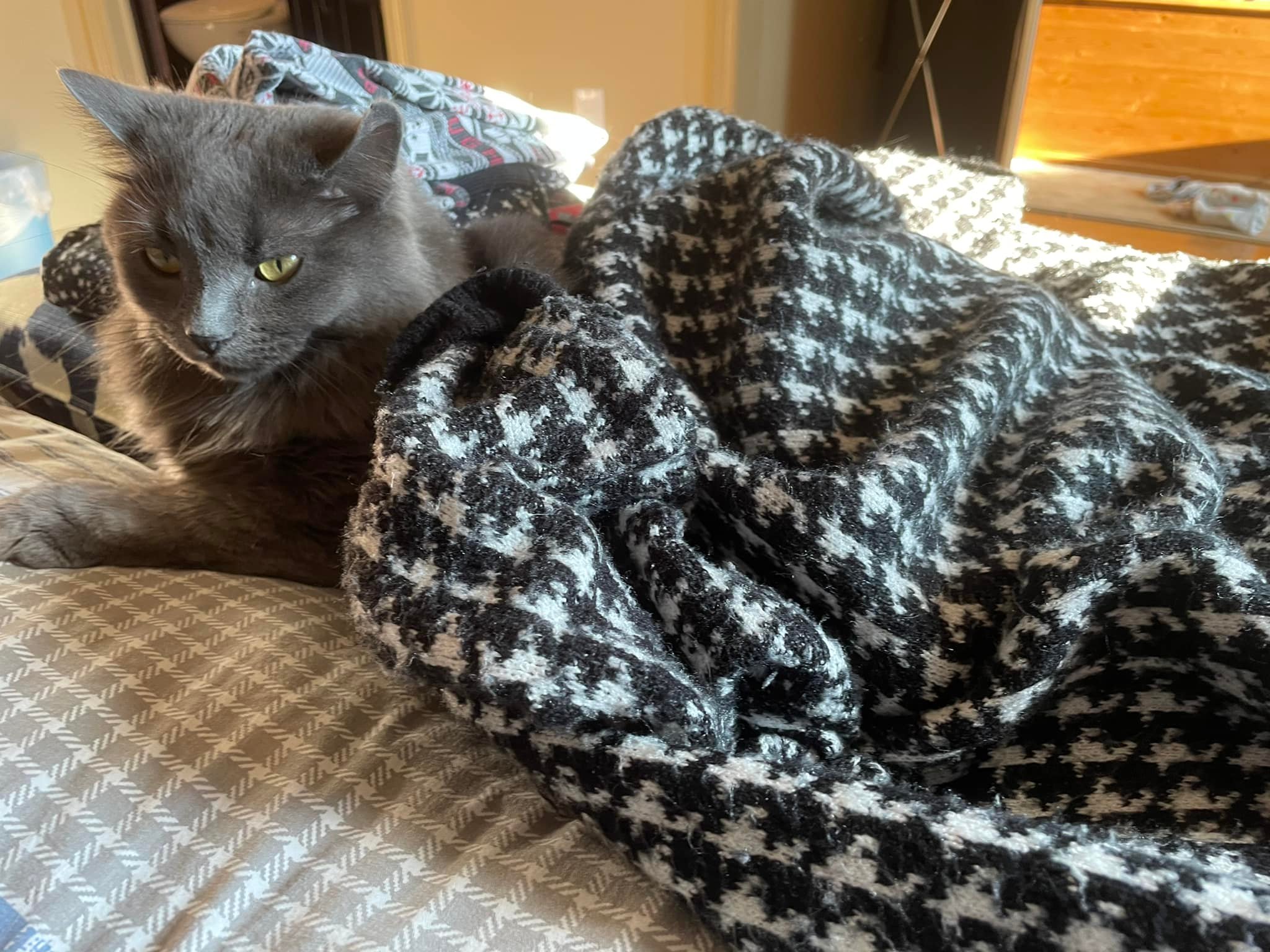
Friday, August 19, 2022

Friday Morning Links

Assorted content to end your week.

- Jacques Poitras exposes how New Brunswick's end to public health measures in response to COVID-19 was based on a single flawed study linked to libertarian think tanks. Alexander Quon reports on both the worrisome substance of the Moe government's latest monthly COVID report as well as the continued degradation of information, while Zak Vescera reports that Dr. Saqib Shahab is finally recommending that people consider the value of wearing masks in public spaces. And CBC News reports on UBC research which hints at an exploitable weak spot in all existing COVID variants - though it remains to be seen whether politicians will once again allow anti-science cranks to undermine the effectiveness of any newly developed vaccines and treatments. 

- Meanwhile, Jacqueline Howard reports on new research showing that nearly half of cancer deaths could be preventable based on just a few underlying risk factors. And Lee Fang reports on Eli Lilly's use of a "community development" charity to lobby for insulin profiteering. 

- Nick Butler discusses how the oil industry has become all the more greedy and destructive over the past few decades - and how public control could ensure it doesn't operate as a barrier to a healthy environment and energy security. And Kyle Bakx examines both the windfall profits being reaped by Canada's oil sector, and the complete lack of any resulting social benefit as it uses the money to lobby against the climate and goose its own share prices. 

- Sonali Kolhatkar discusses how new labour organizing - particularly by young people, women and people of colour - can help improve workplaces for everybody.

- Finally, Luke LeBrun reports on a terrorism assessment confirming that the Flu Trux Klan - endorsed by so many of the Cons and their right-wing cousins - served as an organizing point for violent extremism. And Laura Osman reports on how the anti-reality convoy has taken root, and is now using pseudo-law to lay claim to a headquarters after it has been evicted. 

Thursday, August 18, 2022

Thursday Afternoon Links

This and that for your Thursday reading.

- Jason Gale reports on new research showing how COVID-19 can cause impacts on the brain for a period of years (with no apparent end in sight). And Saima May Sidik discusses the long-lasting cardiovascular problems which may also follow from an infection. But Sean Boynton reports that the choice to "let 'er rip" is resulting in even the acute measures of hospitalizations and deaths being higher than in the previous two years of the pandemic - while Isaac Callan and Colin D'Mello expose how the Ford PCs (presumably not alone among their right-wing cousins) were more interested in slashing costs and services than ensuring people had the tools to deal with COVID.

- Meanwhile, Brady Bouchard warns that family physicians won't be able to paper over the destruction of other elements of the health care system for long. And Jeremy Simes reports on the plight of one Regina patient wrestling with the possibility of seeking an MRI at his own expense, while CKOM reports on the Moe government's explicit choice to start diverting surgical patients to Alberta based on their ability to pay for their own travel. 

- Don Pittis discusses how workers shouldn't see an eventual drop in inflation as much of a win if it means their real income has been eroded by a combination of corporate-driven price increases and artificially suppressed wages. And Greg Jericho highlights how wages are falling far short of keeping up with theoretical labour demand in Australia. 

- Owen Jones writes about a rare but welcome step in unionizing a London nightclub - offering an example for all kinds of workers in precarious service jobs.  

- Finally, Erika Shaker offers a primer on student debt in Canada - and the value of removing the limitations faced by young workers as they complete their education with massive debt burdens. 

Wednesday, August 17, 2022

Wednesday Afternoon Links

Miscellaneous material for your mid-week reading.

- Anne Sosin and Ranu Dhillon write that it's long past time to take the well-documented and devastating effects of long COVID into account as part of the measure of public health policy. And with a few provinces finally making second booster shots available, Prakash Nagarkatti and Mitzi Nagarkatti offer their take on the considerations to be taken into account in deciding whether to get boosted. 

- Fahad Razak et al. write that we can't begin to ameliorate a collapsing health care system without getting COVID-19 under control. And Kenyon Wallace reports on the warning from emergency room physicians about the crisis at the St. Joseph's Health Centre in Toronto, while Alexander Quon reports on the prospect that laboratory services disruptions in Saskatchewan are set to get even worse. 

- Isabella Weber and Mark Paul discuss how interest rate hikes will only exacerbate the difficulties faced by the working class as a result of corporate-driven inflation. Lana Payne writes that consumers should be angry at CEOs rather than workers for exploiting the opportunity to take windfall profits. And Adam King discusses how the left can find an opportunity in labour shortages. 

- Ă‰mile Boisseau-Bouvier and Laura Cameron highlight how the Libs are set to miss their deadline to end fossil fuel subsidies - and are hiding behind weasel wording to avoid any action at all. 

- Finally, Chris Hedges warns that the U.S. in particular is headed toward irreversible civilizational decline.  

Tuesday, August 16, 2022

Tuesday Night Cat Blogging

 Upturned cats.


Tuesday Morning Links

This and that for your Tuesday reading.

- Eric Topol writes that the only sensible response to the increased death and sickness from COVID-19 is to dedicate our efforts to fully containing it. And Jessica Nelson reports on research from the University of Alberta showing the massive health care costs alone traceable to unvaccinated people, while Enxhi Kondi reminds us that photo ops dedicated to new beds is useless when it's paired with a plan to refuse to respect or support the workers needed to keep hospitals functioning. 

- Meanwhile, Nakia Lee-Foon examines some of the ways in which COVID and our corporate-driven responses exacerbated inequalities. And Katherine Scott finds that the federal government's all-too-temporary willingness to ensure people had some source of income led to a drastic drop in poverty. 

- Clare Coffey writes that people can't be blamed for finding it difficult to cope with a capitalist system designed to extract every possible resource from them. Jim Stewartson discusses the obvious problems with arranging our economy and society so as to systematically treat psychopathic traits as preconditions to positions of power and wealth. Jeff Sommer points out how a growing proportion of the U.S.' economy is devoted to stock buybacks rather than anything which does anything but enrich existing shareholders and corporate insiders. And Jeff Schurhke reports on Starbucks' union-busting crime spree - and the need for unions and workers alike to counter it. 

- Finally, Derek Eaton and Anik Islam write that the U.S.' climate change legislation can help lay the groundwork for a clean transition in Canada. 

Monday, August 15, 2022

Monday Afternoon Links

Miscellaneous material to start your week.

- CBC News reports on the rise of COVID levels in Saskatchewan cities' wastewater. David Axe reports on the development of the BA.4.6 variant which looks likely to represent an even greater threat than the currently-dominant version. And Bruce Mirken discusses how the failure to recognize and mitigate the risk of long COVID has resulted in the U.S. (and Canada) sleepwalking toward disaster. 

- Meanwhile, Zak Vescera reports that overburdened hospitals in Saskatoon are clogging up other elements of the health care system, including the availability of ambulances which are spending hours waiting to hand off patients.

- The Washington Post maps the extreme heat covering much of the U.S. Jon Henley reports on the extreme drought which is drying up rivers in Europe, while Darrell Roberts reports on the fires threatening communities in Newfoundland which are being exacerbated by a lack of moisture. And Chris Saltmarsh discusses how the privatization of water has made it more difficult to protect limited resources against the effects of a climate breakdown. 

- Jacques Gallant reports on the federal government's failure to act despite being well aware of the drug poisoning crisis.

- Finally, Aaron Saad wonders whether we've devolved to the point of living in post-empathy times, while noting that collective acceptance of the view that we don't need to care about each other is an obvious predictor of impending fascism. 

Saturday, August 13, 2022

Saturday Afternoon Links

Assorted content for your weekend reading.

- Alexander Quon reports on the belated announcement that Saskatchewan adults will be able to get a second COVID booster vaccination. And Pratyush Dayal reports that the Saskatchewan Health Authority is finally warning people about the dangers of monkeypox and making some testing available. 

- Thomas Walkom discusses how privatization doesn't achieve any of its supposed goals, but instead serves only to direct money for essential services into corporate hands. And Alex MacIsaac reports on Catherine Smart's warning that vulnerable people will suffer the most as care is only available to those with the money and privilege to navigate a privatized system. 

- Meanwhile, Kate Aronoff reports on Jamaal Bowman's work to have inflation limited through price controls which keep necessities affordable for everybody, rather than wage crackdowns which harm workers while doing nothing to limit corporate profiteering. And Natasha Bulowski writes that calls for windfall profit taxes on oil giants aren't going away anytime soon. 

- Bill Curry reports on newly-released documents showing the cost of the Flu Trux Klan escalating into the billions of dollars. 

- Finally, Caitlin Dickerson reports on the U.S.' family separation policy which has deliberately traumatized children in an effort to punish immigrants. And Zak Vescera uncovers the control the Christian Centre Church and Academy have exercised over children and families who are only now seeing an opportunity to tell their stories and fight back. 

Friday, August 12, 2022

Musical interlude

Metric - All Comes Crashing


Friday Afternoon Links

Assorted content to end your week.

- Irini Osaeivi et al. study the effects of long COVID and find that it continues to result in vascular damage for 18 months (or more) after infection. 

- Carly Weeks discusses how the combination of COVID misinformation and increasingly untenable workloads is imposing intolerable burdens on health care workers. And Armine Yalnizyan discusses what employers and governments should be doing to ensure the availability of needed workers - particularly in the care sector.  But Matt Lundy reports that employers are predictably pushing to import foreign workers rather than offering a reasonable quality of life to the ones already available, while Jo Constantz highlights how the "nobody wants to work!" talking point generally reflects employers refusing to offer reasonable pay. 

- John Woodside calls out how the Libs are looking to push fossil fuel-based hydrogen rather than renewable alternatives in order to keep money flowing to existing oil and gas giants. And Al Jazeera reports on new research showing that the Arctic region is warming even faster than previously recognized as governments allow climate change to veer out of control in order to serve their corporate benefactors. 

- Finally, Caitlin Johnstone writes that the U.S.' systemic problems can be traced to the consistent incentivization of viciousness. And both Michael Harris and David Moscrop discuss how the importation of a similar set of values and assumptions has resulted in Pierre Poilivre's presumptive ascent to the leadership of the federal Cons. 

Thursday, August 11, 2022

Thursday Morning Links

This and that for your Thursday reading.

- David Quammen writes about the ongoing race between scientific discovery and an evolving coronavirus. And Heidi Sheehan reports on new research showing a similarity between long COVID and myalgic encephalomyelitis/chronic fatigue syndrome based on the inability of receptors to properly receive calcium. 

- Meanwhile, Sean Amato reports on the collapse of health care services in dozens of Alberta communities (matching the situation in Saskatchewan). And Liam Casey reports that the Ford PCs are announcing their interest in using the damage they've inflicted on public health care as an excuse to privatize. 

- B A Basten-Olvera et al. study how the effects of a climate breakdown may be even worse than previously modeled as global warming harms the determinants of growth. Camilo Mora et al. find that climate change figures to exacerbate the majority of infectious diseases. Steve Gorman reports on research showing that the Antarctic ice shelf is disappearing faster than anticipated, while Oliver Milman reports on how forests are becoming less resilient and more disease-prone. And Laurenz Bush discusses a new study documenting how more severe wildfires in California pose a particularly severe risk for the people least able to afford it. 

- Denise Balkissoon writes about Toronto's attacks on cyclists through both infrastructure choices and police crackdowns - even as the dangers of pushing people into cars become painfully clear. 

- Finally, Emily Leedham reports on the connections between the Richardson dynasty and the anti-vax convoy. 

Wednesday, August 10, 2022

Wednesday Afternoon Links

Miscellaneous material for your mid-week reading.

- Maggie Mills discusses how an antisocial public health policy in the midst of an ongoing pandemic is producing a disastrous human cost (particularly for vulnerable people), while Pamela Heaven reports on CIBC research showing that even the economy to which people are being sacrificed is suffering from the continued spread of COVID-19. The Washington Post's editorial board calls out anti-vaxxers for their contribution to the continuing death toll. And Amber St. Louis warns from experience that anybody counting on the effects of COVID to be mild or brief may be in for a rude awakening. 

- Richard Wolff writes about the dangers of promoting corporate power with the type of religious fervor which all too often dominates our policy discussions. 

- Elliott Smith reports that the Cons' chaotic right-wing government is stripping the UK of the fundamentals of a developed society and economy. And the new Enough is Enough campaign is looking to build a movement to ensure that the wealthy pay their fair share to ensure people's basic needs are met. 

- Meanwhile, Bryce Covert discusses how even a modicum of investment in a functional revenue agency figures to improve both the U.S.' finances and its level of social equality. 

- Finally, Newsweeks weighs in on the UCP's essay contest which saw anti-equality, nativist rhetoric rewarded with a cash prize. And Dan Taekema reports on the private army being assembled by the same radicals whose armed occupation paralyzed Ottawa earlier this year. 

Tuesday, August 09, 2022

Tuesday Night Cat Blogging

Curved cats.


Tuesday Afternoon Links

This and that for your Tuesday reading.

- CBC reports that Ontario transit is the latest major public service being paralyzed by the uncontrolled spread of COVID-19. And Ishani Desai reports on research showing the exacerbating effect of air pollution on the severity of COVID infections. 

- Meanwhile, Angely Mercado discusses the unprecedented heat faced by the U.S. in July, while David Baker et al. examine the tens of millions of lives threatened by the loss of western U.S. snowpack and associated droughts. And Rosie Frost reports on research showing that ubiquitous "forever chemicals" have rendered rainwater unsafe for drinking around the globe. 

- Emma Thompson highlights how greenwashing serves as an obstacle to the steps we need to take to avert climate breakdown - and how government action is needed to prevent carbon polluters from controlling our political spaces. And Marc Lee offers a reminder that reduced fossil fuel production is a needed element of any effective transition to a clean energy economy. 

- Grace Blakeley is the latest to point out how the wealthiest few have seized on inflation as an excuse to inflict unemployment and artificially limited wages on workers, while rejecting any action which would limit or tax their own profiteering. 

- Finally, Jessie Anton reports that the abuses of power at the Christian Centre Academy (which the Saskatchewan Party government continues to fund and support) included mandatory student participation in right-wing politicians' campaigns. 

Monday, August 08, 2022

Monday Evening Links

Miscellaneous material to start your week.

- CBS reports on the Walk to Remember intended to highlight the continued need for long COVID supports. And Elizabeth Thompson reports on the federal government workers who are rightly challenging the demand to return to offices for little apparent reason (and with no regard for their well-being).

- Salmaan Farooqi points out the epidemic of hospital and emergency room closures as an uncontrolled COVID wave slams into a health care system already set up to fail (to the point where nursing students are receiving specific instruction on the extreme stress of their future work environments). And Matt Gurney writes that the Ford PCs aren't willing to do more than issue self-aggrandizing press releases even as people in need of health care die from their neglect.

- Rosa Saba discusses how inflation is affecting people already struggling to get by on lower incomes - though it goes without saying that a round of wage and benefit suppression isn't any help. To the contrary, Samir Sonti recognizes that collective bargaining is one of the few means for workers to at least avoid falling further behind.

- Adam Johnson writes that a distinct increase in visible suffering is being used by the right as an excuse to promote state violence, rather than a reason to care for each other.

- Finally, Paul Dechene offers a reminder of the promise of housing which was used to sell public investment in Regina's football stadium - and which has apparently been fully discarded as opportunistic entertainment industries demand yet another round of shiny new buildings at the expense of people's basic needs.

Saturday, August 06, 2022

Saturday Morning Links

Assorted content for your weekend reading.

- Kayla Kuhfeldt et al. study the effect of a combined vaccine and masking policy, and find that those basic public health measures were almost entirely effective at stopping the transmission of COVID-19 at a large university. But Gregg Gonsalves writes that far too many political leaders are simply unwilling to do what they know needs to be done (and will work) to keep people safe from the multiple diseases posing new threats - as evidenced by a response to monkeypox which features the worst mistakes of the reaction to COVID without any precautions to balance them out.

- Matt Gurney calls out Doug Ford and the Ontario PCs for refusing to be honest about the crisis in the public health care system. Joey Chini reports on the story of one Albertan who had to perform medical procedures for a loved one due to a complete failure of hospital capacity. 

- Philippa Nuttall highlights the need to fight to save a habitable planet rather than giving up in the face of conveniently-placed doomism. Any Guy Quenneville reports on Canada's complete lack of a response to Antonio Guterres' call for fair taxes on the fossil fuel industry, while Geoffrey Morgan reports on the gigantic dividends being paid out by oil companies while they demand subsidies and concessions.

- M.V. Ravana writes that any attempt to push small nuclear reactors is a matter of hype, wishcasting and climate delay rather than realistic expectation.

- Paul Kershaw discusses how having wealthy homeowners pay their fair share can play a major role in ensuring people have access to the housing they need.

- Finally, Gary Mason rightly calls out the dangerous level of irrational hate and rage being fomented by the right in Canada.

Friday, August 05, 2022

Musical interlude

Jessie Frye feat. Timecop1983 - Faded Memory


Friday Morning Links

Assorted content to end your week.

- Elizabeth Yuko reports on the Biden administration's creation of an office to address long COVID, while Joe Middleton reports on the soaring number of Britons excluded from economic and social participation due to the disease. And Erin Prater reports on new CDC research finding large numbers of rare pediatric health problems caused by COVID-19. 

- Jacelyn Wingerter discusses her chaotic experience as a newly-employed nurse in a collapsed Saskatchewan health care system. And Madeline Smith reports that Edmonton is the latest home of systematized hallway medicine as emergency rooms struggle to cope with their case loads.  

- Paul Sinclair writes that nobody can afford continued delay in working to avert a climate breakdown. Damian Carrington examines how the global warming already locked in is exacerbating the effects of extreme weather. And David Gelles reports on the Republican climate destruction zealots who are not only refusing to take any action to rein in climate change, but setting out to punish anybody who tries. 

- Jason Warick follows up on the growing list of students reporting abuse at the private schools which have been promoted and funded by the Saskatchewan Party, even as the government provides its tacit approval by refusing to lift a finger to protect students unless a police investigation results in criminal charges. 

- Finally, Nathan Robinson reviews Luke Savage's The Dead Center as making a compelling case against establishment liberalism which couples a professed commitment to positive social change with a determination to put barriers in its way. 

Thursday, August 04, 2022

Thursday Afternoon Links

This and that for your Thursday reading.

- Bedir Alihsan et al. examine the effectiveness of face masks in preventing COVID-19 infections in both health care and community settings. And Taiyler Simone Mitchell and Catherine Schuster-Bruce note that the loss of smell may be returning as a signature symptom in the Omicron BA.5 wave.

- Andrew Jackson reviews Stephen McBride's Escaping Dystopia, and writes that while it's not too late to escape the dystopian results of neoliberalism run amok, we need a strong reassertion of the role of the state to serve the public interest in order to get there. And Tom Blackburn calls out Keir Starmer's choice to attack labour rather than ensuring that working people see their voices and interests represented by his party.  

- Penny Daflos reports on the increasing intrusion of private agencies even in staffing British Columbia's public health care system. And Tzeporah Berman makes the case for a fossil fuel non-proliferation treaty to avoid the familiar refrain of oil and gas interests complaining that no jurisdiction can be any more responsible than the most destructive regimes around the globe, while Antonio Guterres calls out the grotesque greed which is putting humanity at risk in the name of carbon pollution and windfall profits. 

- Yasmine Ghania reports on Saskatchewan's continued ranking as the Canadian province with the highest rate of homicides. And Myrna Dawson writes about the need to recognize and address femicide as a distinct form of violence. 

- Finally, David Moscrop highlights how a safe supply policy would rein in the drug poisoning crisis which continues to run out of control.

Wednesday, August 03, 2022

Wednesday Morning Links

Miscellaneous material for your mid-week reading.

- Andre Picard writes that COVID-19 remains an imminent and severe threat to our health - no matter how many people are choosing to operate in denial. Jianlyu Lai et al. examine how COVID has been transmitted, and find that aerosol transmission has been the dominant source of spread throughout the pandemic. Wency Leung writes that vaccines alone don't have any realistic prospect of bringing the pandemic to an end. And Brendan Ellis reports on a spike in COVID rates in Regina's wastewater.

- Brian Callaci and Sandeep Vaheesan discuss how a moment of inflation should represent an opportunity to consolidate gains for workers, rather than an excuse to shackle them to real income losses. And Bradley Hughes offers a reminder that strike activity may be needed to ensure workers can pursue their fair share. 

- Meanwhile, Carl Cannon examines Americans' attitudes toward billionaires - which include a stark rejection of the "greed is good" mantra which serves as the primary underpinning of capitalist planning. 

- Hamilton Nolan writes that there's an inescapable "us or them" choice between the oil companies profiting from carbon pollution and political instability, and the rest of humanity which needs a life-sustaining planet to have any future. And Jasper Jolly confirms that fossil fuel concerns themselves have no interest in averting climate breakdown. 

- Stan Cox writes about the connection between the extraction economy, white supremacism and creeping fascism. And Susan Delacourt discusses how the forces behind the Flu Trux Klan's violent occupation of Ottawa are now trying to establish a permanent presence in the city (and elsewhere). 

- Finally, Jason Warick reports on both the Saskatchewan Party's funneling of public money toward a private school with a history of abusing students, and the government's false denial of being aware of the problem. 

Tuesday, August 02, 2022

Tuesday Night Cat Blogging

Cats hanging on.


Tuesday Morning Links

This and that for your Tuesday reading.

- The Globe and Mail's editorial board writes that we're being left to navigate an ongoing pandemic in the dark as governments choose not to provide either resources or information to protect public health. Riley Acton et al. study (PDF) how vaccine mandates reduced COVID spread at U.S. colleges, while Prabir Purkayastha notes that everybody is suffering for the WTO's decision to prioritize pharmaceutical profits over the availability of vaccines. Emily Clark discusses how habitual mask-wearing has allowed Japan, Singapore and South Korea to avoid the death toll of the Omicron COVID wave experienced elsewhere. And Sky News reports on the emerging recognition of multiple forms of long COVID.

- Kevin Wasko writes about the lessons we should be taking from the calamitous failures of Canada's senior care system. But Chris Hannay reports that provinces are instead enabling more of our health care system to fall into profit-motivated corporate hands, while Tom Yun reports on the worsening staffing shortages in our public health care system. 

- George Monbiot writes that a pattern of unprecedented heat waves should make clear that we can't count on small actions to avert a climate breakdown, while Damian Carrington reports on the warning from climate scientists that societal collapse and even human extinction represent increasingly foreseeable scenarios if we keep spewing carbon pollution. Christy Climenhaga examines how climate change is altering Canada's forest regions, while Nouran Salahieh and Claudia Dominguez report on the latest wildfires in California. And Peter McKenna points out the looming prospect that an increasingly parched U.S. will look to Canada to divert water for its use. 

- Ă‰mile Boisseau-Bouvier and Laura Cameron call the bluff of the Libs' weasel wording by setting out a framework which a fossil fuel subsidy would have to meet in order to avoid being "inefficient". And Aitor Hernandez-Morales writes about the success of Pontevedra, Spain in prioritizing car-free development.  

- Finally, Anna Cooban reports on the results of the UK's trial with a four-day work week, along with earlier pilot programs which showed it's possible to maintain productivity without demanding the work days currently required of most workers. 

Sunday, July 31, 2022

Sunday Afternoon Links

This and that for your long weekend reading.

- David Macdonald writes that if there's a risk of a recession being caused by interest rate hikes, it's because people with wealth and power have chosen to engineer one on purpose. And Ken Klippenstein and Jon Schwarz report on an internal Bank of America memo stating that the hope is to undercut labour strength at a point when people are in a position to demand higher wages and better treatment.

- Zeke Hausfather discusses how we're on track for yet another summer of record-breaking heat as a result of a worsening climate breakdown, while Robin McKie writes about Bill McGuire's observations on both how much had gone awry already and how much worse matters will get if we don't reverse course immediately. And Julia Conley reports that catastrophic flooding in Kentucky represents another extreme weather event traceable to the climate crisis.

- Justin Mikulka writes about the hopeful signs that the gas industry won't lock us into methane-dependent "blue" hydrogen due to the lower cost of renewable alternatives - though we still need to be wary of fossil fuel sector lobbying to have governments put a thumb on the scale. And Paris Marx writes that a shift to electric vehicles alone won't be anywhere near enough to make a dent if it's not paired with policies to reduce car dependence.

- Meanwhile, Paul Dechene offers a reminder of the City of Regina's broken promises to address people's core needs eventually after funneling money toward shiny megaprojects - as it's now looking at a new round of sports and entertainment spending after doing nothing to work on the housing and revitalization which was supposed to be paired with the construction of a brand new Mosaic Stadium.

- Finally, Andrea Hsu discusses the millions of Americans suffering from long COVID, and the ripple effects of their being unable to work as before in an environment where employers don't bother offering required accommodations.

Saturday, July 30, 2022

Saturday Morning Links

Assorted content for your weekend reading.

- Matthew Sitman writes about the fundamentally anti-social values being pushed by U.S. Republicans and their right-wing cousins - as well as the desperate need for pushback from progressives who actually value communities and the people who live in them. Gregg Gonsalves writes that the U.S.' political system as a whole is painfully prepared to let people die, whether based on explicit greed or simply a lack of willingness to fight to value their lives. And Jim Harding discusses how the health care crisis in many Canadian provinces is entirely the result of right-wing premiers' political distaste for public care services.

- Jessica Corbett analyzes how hikes in U.S. gas prices are the result of oil industry profiteering rather than any increase to its own costs. And Brent Jang reports on the predictably soaring price tag on the Coastal Gas Link pipeline - as well as the demand that carbon-polluting gas exports be subsidized in order to ensure the pipeline operator walks away with its expected profit. 

- Meanwhile, Paris Marx discusses how big tech's posturing as the only available provider of green development opportunities often serves as one of the primary obstacles to progress.

- Zachary Carter is rightly aghast at the theory that interest rate hikes with the purpose and effect of slashing jobs and wages would serve as anything but a disaster for the economy (as it affects the majority of people). 

- Finally, Max Fawcett offers a reminder that Pierre Poilievre's attacks on "gatekeepers" in fact reflects a desire to demolish institutions which protect people against abuse by the wealthy and powerful. 

Friday, July 29, 2022

Friday Night Cat Blogging

Laundered cats.


Musical interlude

PVRIS - Anyone Else


Friday Afternoon Links

Assorted content to end your week.

- Rhythm Sachdeva reports on research which has documented the effectiveness of COVID-19 testing in advance of events (just in time for governments to take that tool away from people as well). And Andrew Gregory reports on the prospect of a vaccine which might eventually be effective against COVID as well as the common cold. 

- The Globe and Mail's editorial board points out that public dashboards may be one of the best ways of ensuring our health care system is functional - though it's telling that the COVID versions used as an example have themselves been dismantled due to the preference of far too many governments to keep their citizenry uninformed. And Alexander Quon reports on a Saskatchewan Union of Nurses survey which fills in some of the province's information gap with a finding that an overwhelming majority of nurses are reporting staffing shortages in their workplaces. 

- Rebecca Solnit and Terry Tempest Williams write that there's no room for delay or equivocation in putting a halt to climate breakdown. And Gary Fuller discusses how increasing heat is even more deadly when connected to air pollution and other environmental factors. 

- Aidan MacNab reports on the litigation being used as a means to hold the oil industry accountable for its contribution to (and enrichment from) the climate crisis. And Carbon Tracker points out the dangers of allowing oil producers to grab windfall profits while deferring any holdback for cleanup obligations. 

- Finally, Gary Warth discusses the reality that homelessness is caused in large part by a lack of available and affordable housing, rather than by the personal circumstances of the people who suffer it. And Ramenda Cyrus' point that social housing should be treated as the equivalent of public health care is particularly apt in a country which prides itself on a commitment to the universality of the latter.

Thursday, July 28, 2022

Thursday Morning Links

This and that for your Thursday reading.

- Andrew Gregory reports on new research showing that tens of millions of adults may already be facing long-term loss of smell and/or taste as a result of COVID even as further waves are allowing to run rampant. And Kevin Woodward implores us to get control over monkeypox before it too is able to harm people through uncontrolled spread. 

- Linda McQuaig discusses how hikes in interest rates in the name of fighting inflation serves primarily to enrich the already-wealthy at the expense of everybody else, while Robert Reich similarly criticizes the U.S. Federal Reserve for rate boosts which serve none of their intended purposes. And Sarah Butler reports on some of the food staples which are increasing in price with the primary effect of goosing corporate profits. 

- Justin Vassallo discusses why progressives shouldn't be shy about trade policy - both because it's a necessary element to an equitable economy, and because we've been absolutely right about the effects of reckless deregulation and corporatization.  

- Meanwhile, Joshua Schneyer, Mica Rosenberg and Kristina Cooke expose how Hyundai has been using child labour in its Alabama manufacturing facilities. 

- Ramenda Cyrus discusses the need for social housing as both a countercyclical economic force, and a right all too often being denied to the people who need it most. 

- Finally, Monique Welch reports on the certainty that Texas inmates will die from extreme heat in facilities which aren't equipped with needed air conditioning. PA Media points out new research showing that air pollution is likely to raise dementia levels and exacerbate cognitive decline in an aging population. Ketan Joshi writes that in the face of a supposed consensus on the need to avert climate breakdown, Australia's new government is planning on pushing exports whose carbon pollution will far exceed any reductions from domestic use. And Sandy Garossino makes the case for suing major fossil fuel companies based on their knowing damage to our planet, combined with the deliberate cover-up and misinformation which continue to create obstacles to amelioration. 

Wednesday, July 27, 2022

Wednesday Afternoon Links

Miscellaneous material for your mid-week reading.

- David Adams examines the evidence that COVID-19 remains infectious far longer than assumed by politicized public health messaging. And Ted Raymond reports that Ottawa has already seen more COVID deaths in 2022 than in 2021, confirming that the end of public health protections has been disastrous even by the painfully low bar of considering fatalities alone. 

- Zak Vescera reports on Dr. Ivar Mendez' warning that diverting public money to private surgical clinics will only exacerbate the staffing shortages caused by the Moe government's disinterest in a functional health care system. And Michael Gorman reports that Nova Scotia's PCs are following the usual right-wing playbook of rank patronage in the service of the destruction of public service capacity, with two personal friends of Premier Tim Houston having been appointed to oversee the gutting of Crown corporations. 

- Noah Smith contrasts China's strategic development of technology which actually serves useful purposes against the U.S.' focus on extracting wealth from people through hype and misdirection. 

- Finally, Umair Haque discusses the need for economies to evolve in order to survive the ecological shocks which are striking with increasing frequency and intensity. And Tom Green and Stephen Thomas highlight how Canada has immense potential to develop an economy powered by zero-emission renewables.

Tuesday, July 26, 2022

Tuesday Morning Links

This and that for your Tuesday reading.

- John Donne Potter discusses how an increase in reinfections is exacerbating the risk of long COVID. And Mark Kekatos reports that numerous U.S. cities are looking at reimplementing mask mandates as their case loads spiral out of control in the course of the BA.5 COVID wave. 

- Meanwhile, Zak Vescera reports that the Saskatchewan Party is once again focused on turning health care into a profit centre for its donors rather than a vital service for people, this time by doubling down on their failed attempt to address surgical backlogs with private clinics. 

- Alistair Steele reports on the labour shortage arising out of the demographic shift which has been foreseeable for decades, but never dealt with meaningful plans for succession. And Sarah O'Connor discusses how the UK is choosing to exploit migrant labour to fill care positions rather than creating viable working conditions for its own workforce - which is of course a familiar phenomenon in Saskatchewan as well. 

- Umair Irfan discusses how the EU's devastating heat wave is merely a hint of what's to come. And Umair Haque writes that our political leaders have no plan other than to tell people to learn for themselves to live with an apocalypse. 

- Finally, Wayne Poole notes that the end of the combustion engine vehicle is in sight - but that's not stopping the car industry from looking to push the largest polluters they can in the meantime. 

Monday, July 25, 2022

Monday Afternoon Links

Miscellaneous material to start your week.

- Sasha Warren reports on new research showing that people suffering from long COVID may not be fully clearing the coronavirus from their systems even after being treated as having recovered. Steven Findlay writes about the need for public health protections based on the increasing recognition of the harms of long COVID. And Matthew Herper and Lev Facher report on the Biden administration's plans to push for a new generation of vaccines which do more to protect against infection - though it's not clear what resources will be available for the effort. 

- Dean Baker warns against allowing the U.S. Federal Reserve (and other central banks) to be bullied into inflicting an avoidable recession on workers in the name of stifling already-stagnant wages. And Umair Haque writes that part of the increase in sticker prices is the result of the bill coming due for unsustainable practices. 

- Kaija Jussinoja reports on the introduction of armed police into grocery stores to protect the profits of the same tycoons who have enriched themselves through systematic price-fixing. 

- Aaron Wherry highlights how leaders who care in the slightest about public well-being can't afford to ignore the climate breakdown to focus on short-term complaints. But Elise von Scheel reports that the same Trudeau Libs portrayed as Wherry's comparative climate heroes are in fact musing about granting the oil industry yet another delay in addressing carbon pollution. Naomi Oreskes discusses how far too many mitigation plans rely on fictitious large-scale carbon capture and sequestration. And Jane McMullen reports on new revelations about the fossil fuel sector's PR campaign to deliberately sow doubt about scientific fact in order to keep polluting with impunity. 

- Finally, Conor Dougherty and Ben Casselman point out that a downturn in private home building and sales (which is inevitable based on interest rate hikes) is the perfect time for governments to invest in building social housing. 

Saturday, July 16, 2022

Light blogging ahead

 Don't expect much from this space for the next week-plus. Enjoy your summer in the meantime!

Saturday Afternoon Links

Assorted content for your Saturday reading.

- Jennifer Lee reports on the newly-released documents confirming that Alberta's lifting of COVID protections was purely a matter of political oneupmanship rather than reflecting any expectation that people's health wouldn't be harmed. And Andrew Dansby writes about Peter Hotez' recognition that the fallout from COVID-19 will be felt for years even after the ongoing pandemic finally recedes, while Emily Elpert Reyes discusses warnings from health providers about the dangers of working through COVID.  

- Andre Picard writes about the British Columbia Court of Appeal's affirmation of the validity of a universal public medical care system, while noting that we have plenty of work to do to ensure we have one that keeps us healthy.

- Ian James writes about the depletion of the Colorado River as a painful example of people's refusal to take even modest precautions in the face of readily-foreseeable catastrophe. And David Cooper makes what's all too likely to be a futile case for a dirty oil industry swimming in windfall profits to take responsibility for cleaning up its own environmental destruction.

- Drew Anderson examines the realities of a Lake Diefenbaker irrigation expansion scheme - including the risks which have been ignored as the Moe government barges ahead with plans from half a century ago. And Easton Hamm reports on the increasing wildfire risk in Saskatchewan due to the climate breakdown which the Sask Party is so determined to fuel.

- Finally, Christopher Nardi reports on the embarrassment of federal Environment Minister Stephen Guilbeault trying to use passenger rail for a promotional tour, only to learn that service is no longer available for much of the country.

Friday, July 15, 2022

Musical interlude

Kalax feat. Pyxis, Jay Diggs - Out of Time


Friday Morning Links

Assorted content to end your week.

- Ricardo Duque Gabriel et al. examine how the costs of austerity extend beyond the human toll of diminished well-being to include the undermining of trust in democracy.

- In case we needed to see the breakdown of trust in action, Dayne Patterson reports on the Kamsack protest against the Saskatchewan Party's shutdown of the local acute care beds (among other rural health facilities). And Colin Butler reports on a pateint left for days in a temporary hallway space with a shattered leg as the Ford government continues to focus on privatizing health services rather than keeping them functional. 

- The WHO and UNICEF offer a warning that there are tens of millions of childhood vaccinations left undone over the past two years which need to be completed to avoid illness and death from other preventable diseases.

- Finally, Zoe Tidman reports that the UK is facing its first-ever Level 4 heat emergency. CBC News reports that Lytton, B.C. is once again facing evacuations in the face of an uncontrolled wildfire. And Umair Haque discusses how we're sleepwalking into a climate catastrophe despite the flashing red indicators all around us.

Thursday, July 14, 2022

Thursday Morning Links

This and that for your Thursday reading.

- Glenn McConnell reports on New Zealand's continued leadership in acknowledging and fighting the avoidable spread of COVID-19. Arwa Mahdawi discusses why nobody should be bragging about continuing to work through a disease which requires rest to maximize one's recovery. 

- Peter Zimonjic reports on Statistics Canada's temporary drop in inequality when COVID benefits were relatively widely available - which surely explains the determination of the Cons and their provincial cousins to make sure nothing of the sort is ever put in place again. 

- Lijing Cheng et al. study historical trends in ocean heat content and find that our planet is in fact warming faster than previously known. Andres Picon writes about the deadly combination of heat and air pollution. And John Woodside discusses the connection between the oil and banking sectors which continues to result in money being funneled toward climate breakdown.

- David Dayen weighs in on the harm being done to the public by profiteering railroad operators. And Robin Shaban and Yunuz Emre Bozkurt discuss the importance of more public ownership - in substance as well as form - to ensure people's telecommunications needs are met. 

- Finally, Andrew Coyne writes that premiers can't expect to be handed gobs of new health care money without some commitment to ensure it gets put to its intended use. 

Wednesday, July 13, 2022

Wednesday Morning Links

Miscellaneous material for your mid-week reading.

- SBS News reports on the WHO's warning that not only is the COVID-19 pandemic far from over, but cases are spiking globally. And Mike Lapointe reports on the work of at least some political leaders - notably including NDP MP Don Davies - to push the federal government to both take preventative action to limit spread and address the growing crisis of long COVID. 

- Gabriela Calugay-Castilla writes that the lack of paid sick days forces people to choose between necessities in trying to provide the necessities of life without making themselves and others sick. And Katherine Scott discusses how women continue to bear the brunt of the effects of the pandemic. 

- Doreen Nicoll writes about the need to measure public policy generally based on social health outcomes rather than GDP and profit levels. 

- Isabella O'Malley reports on the revelation of a large hole in the ozone layer over tropical regions of the Earth. Carey Gillam reports on research finding that 80% of Americans tested have detectable levels of the weedkiller glyphosate in their systems. And Tom Perkins explains how EPA tests likely severely underestimate the pollutants found in U.S. water.

- Finally, Liam O'Connor discusses the increasing concentration in ownership of Saskatchewan farms, as the economics of a corporatized sector leave no room for people to operate smaller farms even as a few wealthy people look to farmland as an investment. 

Tuesday, July 12, 2022

Tuesday Night Cat Blogging

Snuggly cats.


Tuesday Morning Links

This and that for your Tuesday reading.

- Yasmine Ghania reports on the wastewater analyses showing that Saskatchewan is facing a new COVID-19 wave. Ed Yong discusses how the BA.5 wave looks to be the first one dominated by reinfections. Elliot Aronson and Carol Tavris highlight the cognitive dissonance which has undercut any reasonable evaluation of risk through an evolving pandemic. And Hannah Kuchler writes that more than a billion vaccine doses may have been wasted since they were developed, with the donation of expiring doses to lower-income countries looming as a major culprit. 

- Meanwhile, Andre Picard writes that Canada's shortage of family doctors won't be fixed with one-time cash incentives.

- James Dyke points out the need to recognize that we're on a trajectory to severely overshoot the 1.5 degree threshold of climate breakdown, and do everything we can to reduce our dirty energy use accordingly. But Helena Horton reports on the abysmal MP turnout for a special UK Parliamentary briefing which was seen by activists and party leaders alike as a profoundly important opportunity to build consensus on climate action. 

- Finally, Mel Buer notes that railroads are just another example of corporate-controlled logistical infrastructure being used to extract windfall profits at the expense of both workers' well-being and consumers' access to needed goods. And Joan Baxter reports on how Northern Pulp and its owners are using creditor protection to avoid meeting their own liabilities while simultaneously litigating to extract hundreds of millions of dollars from Nova Scotia. 

Monday, July 11, 2022

Monday Afternoon Links

Miscellaneous material to start your week.

- Farah Hancock offers an informative look at the circumstances where people are most likely to share air in ways that results in COVID transmission. And Nam Kiwanuka highlights the need for messaging about the ongoing pandemic which is both internally consistent, and paired with action to enable people to protect themselves and others. 

- David Moscrop is optimistic about some gains being made by the labour movement in Canada and the U.S. in both achieving certification, and winning public policy improvements. And Sara Mojtehedzadeh exposes more of Uber's tactics to avoid employment standards and exploit its drivers, even while cynically claiming to be offering them opportunities. 

- Diane Abbott rightly argues that the UK Cons as a whole need to answer for the gross dereliction of duty which has led to Boris Johnson's departure - a point which applies equally to the conservative parties in Canada who believe that shedding a single leader entitles them to a clean slate for decades of disastrous choices.

- Finally, Bill Gillies writes about the need for change from an electoral system which allows minorities of voters to stake a party to absolute power. 

Sunday, July 10, 2022

Sunday Afternoon Links

This and that for your Sunday reading.

- The Economist reports on new research estimating that COVID-19 vaccines saved 20 million lives in their first year of availability - though that reality makes it all the more galling that there's been so little progress both in ensuring greater availability of existing vaccines for lower-income people, and developing new versions to address the flood of variants. Alice Park discusses why it's important to vaccinate the young children whose doses have only recently been approved. And Rick Howe writes that the elimination of any public health measures in the midst of a raging pandemic leaves the inescapable impression that we don't value the lives of immunocompromised people.

- Stephen Wentzel reports on Niki Ashton's push to ensure that the Canada Revenue Agency uses its resources to crack down on tax avoidance by the wealthy, not to add injury to insult for CERB recipients. 

- Sam Pizzigati offers a reminder that obscene wealth is invariably the result of a combination of luck and ruthlessness. And Michael Grabell reports on a stark example of both being torqued to extreme levels, as shipping and transportation magnates are extracting massive windfall profits from their own refusal to cooperate with customers. 

- Qingchen Chao and Wang Yang estimate China' viable renewable energy production at four times the amount of power needed to meet all current global electricity demand. And Simon Evans reports on the latest UK wind power contract which has produced prices a fraction of the cost of fossil fuel gas generation.

- Finally, Umair Haque discusses how the U.S.'s obsession with constant self-reliance and competition leads to ambient stress for everybody.